Advanced Search

We found 0 results. View results
Your search results

Bali Tourism Focus 2026

Posted by KadekMonic Rustini on January 6, 2026
0

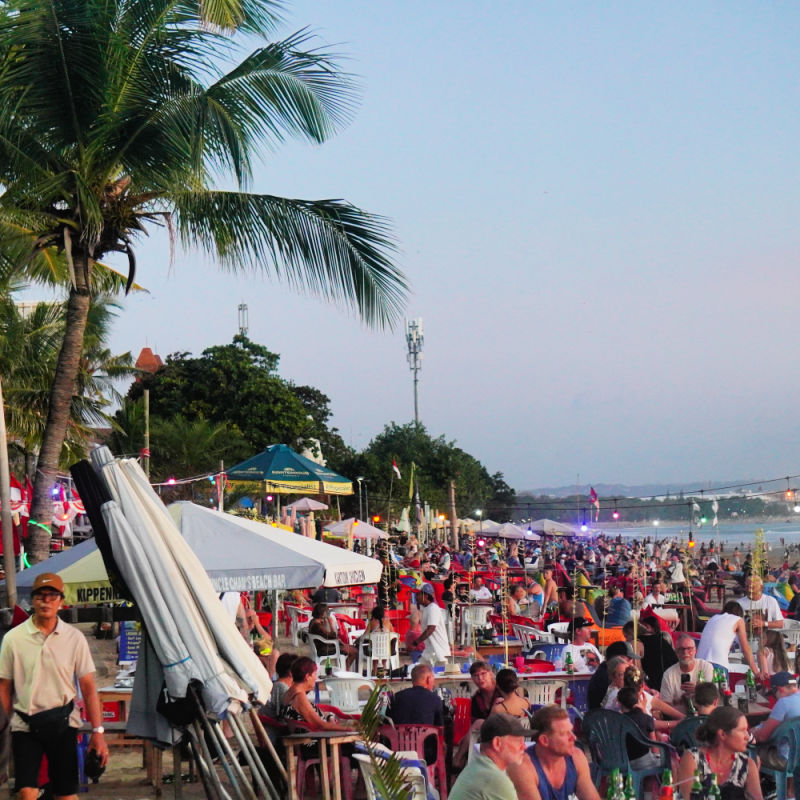
Bali Tourism Focus 2026 – 2026 is here, and with Bali confirmed to have smashed international tourism targets for 2025, the question of sustainability, tourism development, and cultural preservation is hitting headlines once again.

Bali has experienced rapid growth in tourism, and the undeniably negative side effects are being highlighted by top leaders in the province.

For centuries, Bali has been an agricultural island. From ridge to reef, the volcanic island’s fertile soils have grown produce that has fed local communities and been exported around the world.

The harmonious relationship to the land and the natural world is deeply embedded in Balinese culture through the philosophy of Tri Hita Karana.

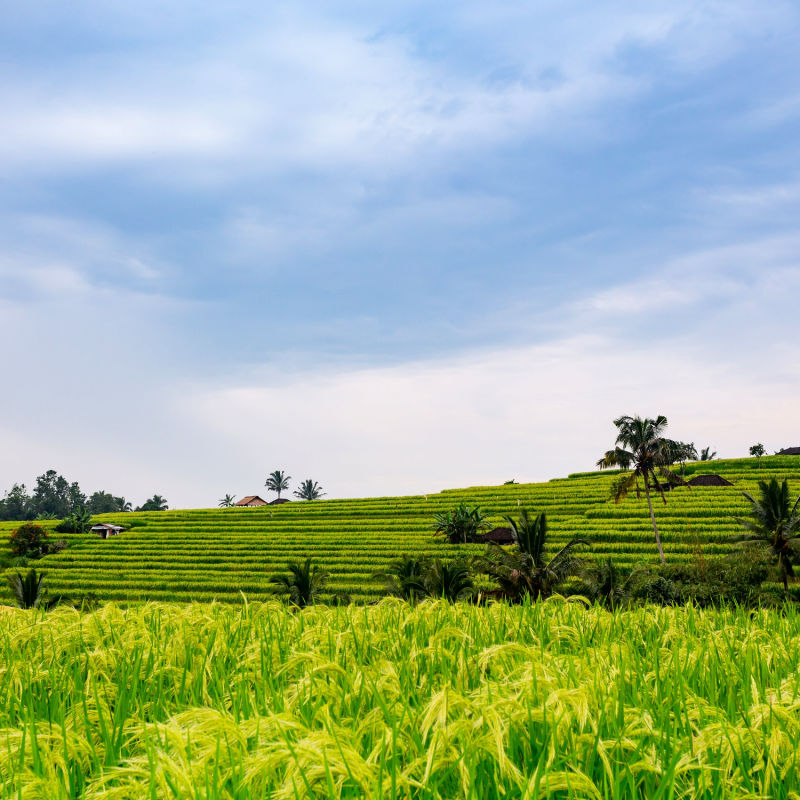
The island’s landscape is still managed by a unique water flow system known as the subak. This water management system controls the flow of water from the source through to the ocean, allowing for rice fields to be strategically flooded during the growth cycle, and for water to be held or channeled during the dry and rainy seasons to prevent drought and flooding. 

While agriculture is still a vital part of provincial life, tourism has rapidly taken centre stage. Tourism development over the last five years has increased exponentially and is now expanding into even more areas, primarily used as agricultural land.

This rapid conversion of agricultural land into commercial properties has caused a steep decline in the amount of land available for rice farming, and without sufficient infrastructural developments to support this land conversion, there has been an increase in flooding, landslides, and traffic congestion, to name but a few of the issues faced by local residents.

Local economist and lecturer Prof Dr Ida Bagus Raka Suardana has spoken to reporters about the impact the rapid conversion of agricultural land into tourism developments is having on Bali’s landscape. Citing data from the BPN, Prof Suardana confirmed that 6,521 hectares of productive agricultural land, or 9% of Bali’s farming landscape, were lost between 2019 and 2024.

Looking at the data more closely, Denpasar has seen a 38% decrease in rice paddies during that 5-year period, recording the highest amount of land lost, followed by Gianyar Regency, home to destinations like Ubud, and Tabanan Regency, which is known for its cultural landmarks like Tanah Lot Temple and the Jatiluwih Rice Terraces. 

Prof Suardana shared, “Meanwhile, in Badung Regency, the conversation of productive land has increased from 26% in 2020 to around 348 [new] hectares of conversation in 2024, indicating an acceleration in the conversion of productive land to tourism and property projects.”

It is not only the conversion of farming land into tourism developments that is driving the change, but also increasing demand from investors for land for residential property projects. 

With Bali having welcomed 7.05 million international tourists in 2025, it is clear that demand for travel and investment properties in the province is showing no sign of slowing down.

Leaders in Bali have yet to announce tourism targets for 2026, but with growth the top priority for many influential figures in the province, a target of 7.5 million international arrivals in 2026 doesn’t seem too far-fetched an estimate.

The discussion around sustainability vs growth at all costs has been a top topic over the last decade in Bali. The situation has even prompted policymakers to intervene, though new legislation has yet to have much of an effect on the situation.

Main Article: Bali Tourism Focus 2026
As Prof Suardana explained, “New policies such as the Bali Governor’s Instruction Number 5 of 2025, which prohibits the conversion of agricultural land, were deliberately issued to curb the rate of conversion and maintain food security amid pressure from the tourism industry.”

However, the policy banned the issuance of new building permits in specific areas of the province. But with the Online Single Submission System issuing permits for major projects via the central government and with dozens of big developments already granted building permissions, the new legislation is yet to have a meaningful impact.

As Bali rolls into 2026, it remains to be seen if the tide can turn on the wave of unsustainable tourism and urban development that’s impacting the agricultural landscape.

Tourists visiting the island can support environmentally conscious businesses, including hotels and tour companies that are working to preserve and promote local culture and establish sustainable and regenerative tourism models that create memorable travel experiences for tourists and safeguard Bali for future generations.

Main Article: Bali Tourism Focus 2026
Bali Tourism Focus 2026 - North Bali Destination Of Choice

This stunning region of Bali Province is quickly becoming one of the hottest destinations around, and it’s easy to see why.

North Bali is the destination of choice right now. The region is bucking seasonal travel trends and welcoming an increase in domestic tourists, and is seeing an increasing number of international visitors too.

From Lovina to Munduk, Pemuteran to Singaraja, this is not a destination to overlook in 2026. 

Even at this time of year, when Bali is being hit with extreme weather during the height of the rainy season, North Bali is seeing markedly more sunshine and warmer days, with less rain and heavy winds.

Speaking to reporters this week, Dewa Ketut Suardipa, the Chairman of the Indonesian Hotel and Restaurant Association (PHRI) for Buleleng Regency, shared:

“While South Bali is impacted by weather and flooding, North, East, and West Bali are still highly desirable destinations. This is an opportunity we must all take advantage of.”

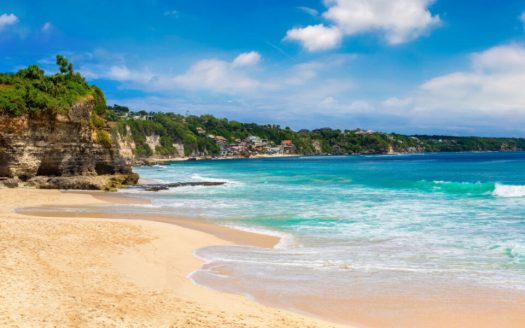
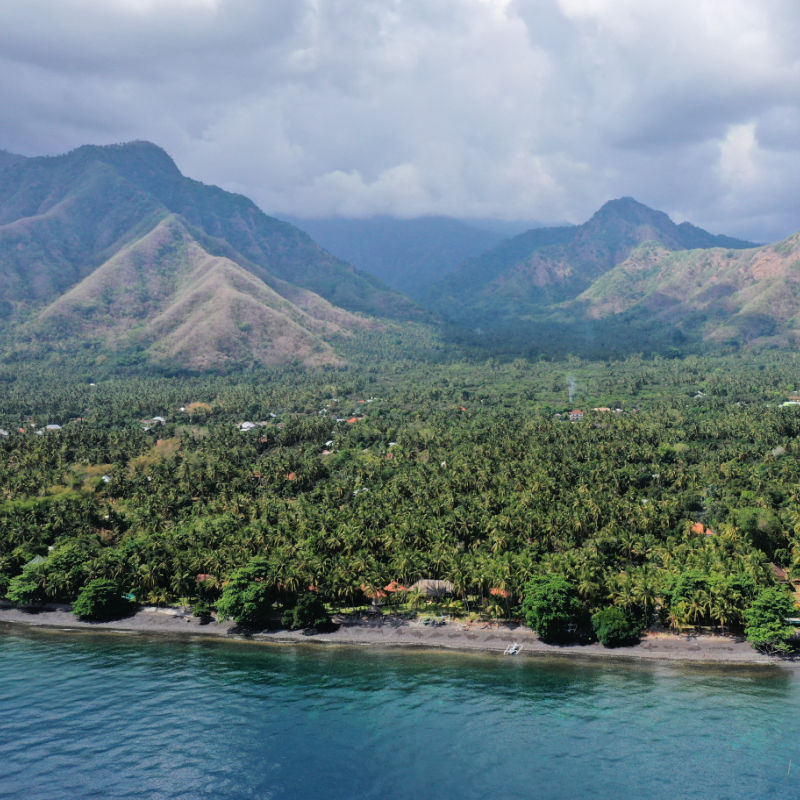
He noted how North Bali can boast both black and white sandy beaches, as well as being home to some of the province’s most pristine jungle landscapes.

Travel data for North Bali speaks for itself. Suardipa told reporters that hotel occupancy rates in Buleleng are generally averaging 75 percent. In West Buleleng specifically, close to the West Bali National Park, hotel occupancy averages nearly 100 percent.

The Lovina area in Central Buleleng is sitting in the 70–80 percent range. However, down in South and East Buleleng Regency, occupancy rates remain below 50 percent; this is likely due to there being fewer established destinations in these areas. 

The  Head of the Buleleng Tourism Office, I Gede Dody Sukma Oktiva Askara, reported that visits to tourist attractions in Buleleng during the Christmas and New Year holidays increased by 20–30 percent compared to a typical weekend.

Attractions like  Wanagiri, Pancasari, Banjar Hot Springs, Banjar Temple, Lovina, and Air Sanih, Aling-Aling Waterfall have all seen an increase in visitors, both domestic and international. 

Askara shared, “For this year’s Christmas and New Year holidays, domestic tourists from Java are down around 20 percent compared to last year. However, international tourists are up around 3-5 percent.”

He even acknowledged that there was a spate of cancellations in early December when Indonesia was hit by cyclones. Yet, bookings quickly bounced back, and tourists are confidently organising more travel in the North Bali region.

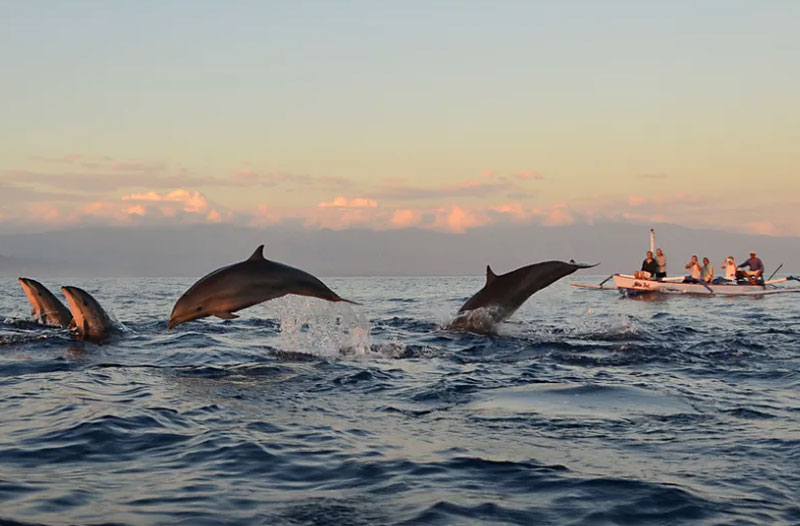
One of the top activities for tourists visiting North Bali is sunrise dolphin watching. The waters off the coast of Lovina Beach are home to pods of spinner dolphins, and it is an increasingly popular excursion for tourists to head out at sunrise to see the wild dolphins.

Main Article: Bali Tourism Focus 2026
The tour is super popular at this time of year, and is available from eight departure points around Lovina and Pemuteran. Tourists are encouraged to do their research before booking their sunrise dolphin tour at Lovina and find a reputable provider who supports ethical wildlife tourism practices.

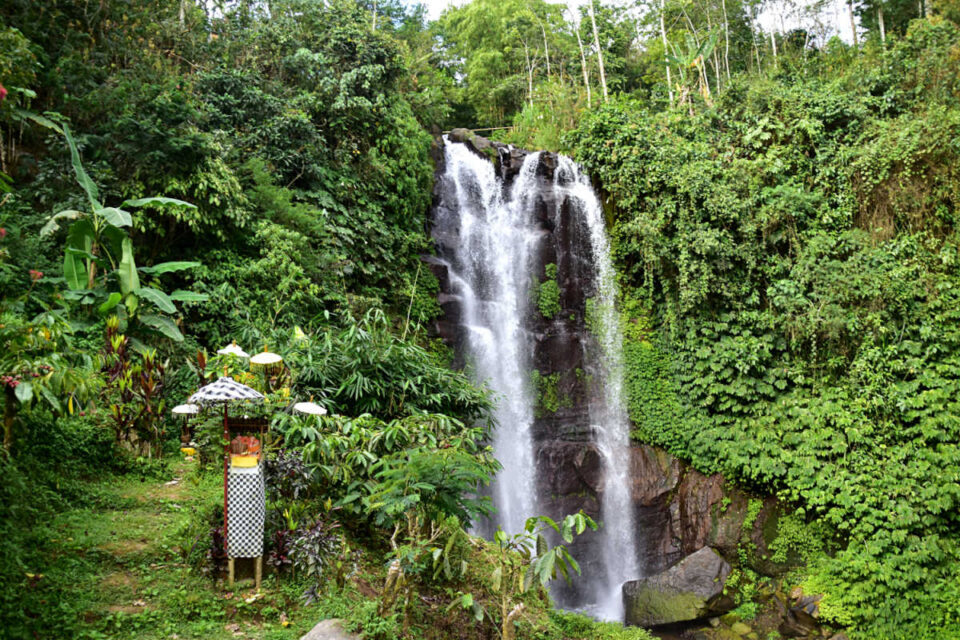
The beauty of North Bali as a destination lies in its versatility. While the coastline is stunning and offers plenty of opportunities for adventure, so too do the inland regions. Munduk, for example, is a destination in increasing demand with international tourists. Home to some of Bali’s most impressive waterfalls, Munduk is the perfect secluded jungle escape for holidaymakers in Bali who are looking for a crowd-free getaway.

There are plenty of accommodation options in Munduk, even though the area is still considered an emerging destination. Munduk Sari Resort is a prime example of a 3-star stay that offers a 5-star Balinese welcome to all who cross the threshold, with rooms starting as little as USD 30 a night.

Bali Attraction Entry Tickets Increase

With the New Year upon us, it’s that time again when top tourist attractions in Bali adjust their prices. While these price increases generally don’t make too much of a difference even to the most budget-conscious of tourists, it’s good to be in the know. 

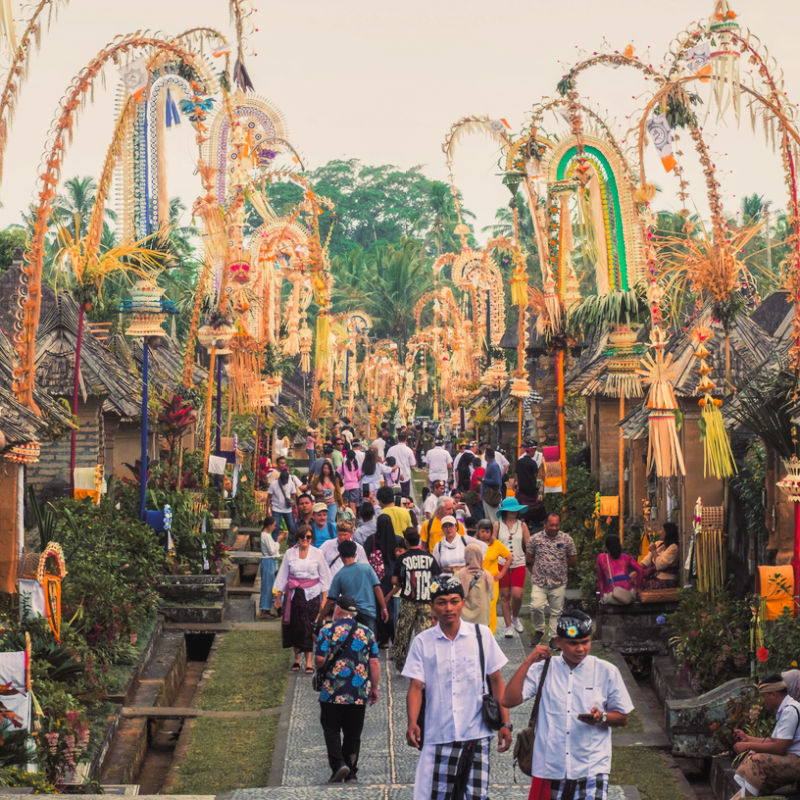
Bali’s Penglipuran Village in Bangli Regency is the latest cultural tourist attraction to confirm it will raise prices in 2026. Penglipuran Village is one of the world’s most acclaimed tourist destinations and has been named by the UN World Tourism Organisation as one of the World’s Best Tourism Villages.

In 2026, there will be a few changes to the pricing system in place at Penglirpuran Village, designed to offer more inclusive experiences for visitors while ensuring the attraction generates sufficient revenue to continue improving the experience for tourists and the lives of local residents.

Lest we forget, Penglipuran Village is first and foremost a residential community that has opened up its homes and communal space for the world to enjoy.

Main Article: Bali Tourism Focus 2026
In an updated publication online, Penglipuran Village explains that “in order to improve the quality of our services and support sustainable tourism management oriented towards cultural preservation, we would like to inform you that:

Starting 1st January 2026, Penglipuran Tourism Village will only offer Visiting Packages for tourists. Entrance fees are no longer charged separately. Tourists are required to purchase a Visiting Package. Visiting Packages are available and can be purchased directly at the official ticket counter.”

The team adds, “Through this package, tourists will have a more focused, comfortable, and valuable visiting experience, while also contributing to the preservation of culture, the environment, and the well-being of the local community.”

Entry fees remain incredibly good value for the wide range of immersive cultural experiences on offer at Penglipuran.

There are two main ticketing options. Option one includes access to the Main Street, known as Jalan Utama Desa, as well as the residents’ homes and the bamboo forest. Ticket Option One is shared as IDR 50,000 for international adults and IDR 30,000 for international children.

Reduced rates are in place for domestic tourists, charged at IDR 25,000 and IDR 15,000 for adults and children, respectively.

Ticket Option Two is more immersive and includes a dedicated local guide. This is charged at IDR 125,000 for international adults, and IDR 100,000 for international children. This also includes access to all areas of Penglipuran Village open to the public, including residents’ homes and the bamboo forest. 

Main Article: Bali Tourism Focus 2026
Penglipuran Village also offers a whole programme of cultural activities as added extras, and these are hard to say no to.

From overnight stays to cooking classes, authentic breakfasts served on Jalan Desa Utama before the crowds arrive, to photoshoots in traditional Balinese clothing, there is so much to do at Penglipuran Village that our advice here at The Bali Sun is to allow more time than you think to really slow down and enjoy every moment of a visit to this truly special community.

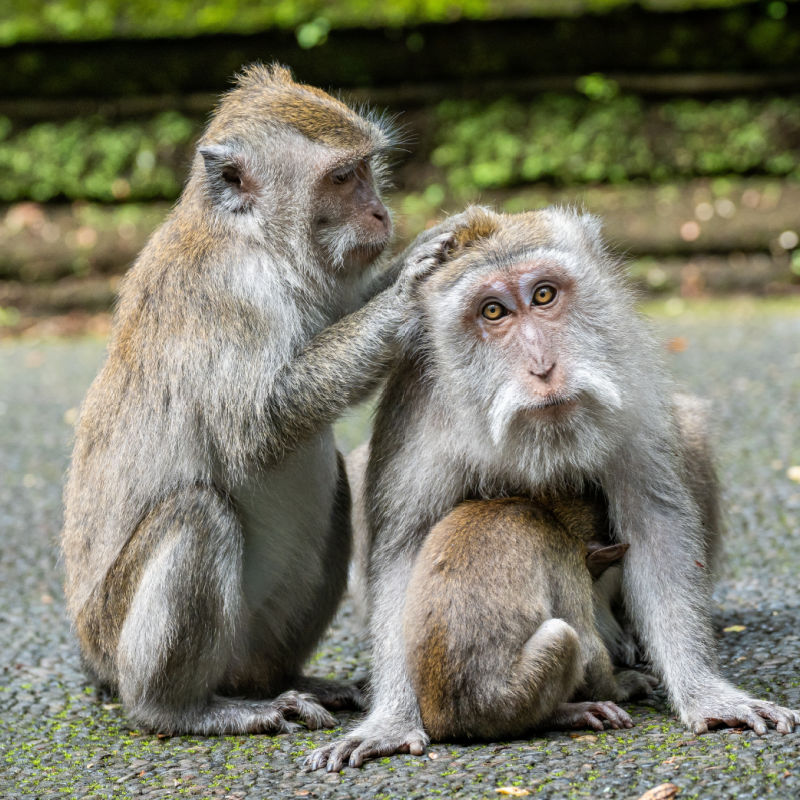
Pengliuran Village is not the only cultural tourist attraction set to increase its entry fees in 2026. Bali’s Secret Monkey Forest, Alas Kedaton, will be introducing new ticket prices in 2026.

The planned ticket increase will see international adult tickets increase from IDR 30,000 to IDR 70,000, while children will be charged at IDR 60,000, up from IDR 20,000.

Alas Kedaton is perhaps Bali’s least crowded monkey forest attraction, welcoming an average of 50 tourists a day. This quiet and secluded monkey forest is located in the heart of Tabanan Regency and makes a great stop off on a day trip of the area, including visits to Tanah Lot Temple and Jatiluwih Rice Terraces.

Main Article: Bali Tourism Focus 2026
All above articles are provided by “The Bali Sun

Please contact us for more information on North Bali Properties for sale

Leave a Reply

Your email address will not be published.

Compare Listings